
Latin American Surrealism: The Body, The Dream, and the Abyss
“Surrealism is not a school but an attitude: a liberation of the spirit and an exploration of the unknown zones of being.” — César Moro, Surrealism in Latin America (1942)
This exhibition proposal reconsiders Surrealism through the lens of Latin America, positioning the region not as an extension of European influence but as a powerful center of creative reinvention. When the Peruvian poet César Moro articulated his definition of Surrealism, he highlighted what the European canon overlooked: Surrealism’s force lies in awakening consciousness, not in adhering to doctrine. From the 1930s to the 1960s, Latin American artists reimagined Surrealism through their own mythologies, spiritual systems, and understandings of the body, locating the movement in everyday life, ritual, and corporeal experience.
The exhibition unfolds across three conceptual realms, tracing a psychological and spiritual journey:
The Body examines corporeality as a site of identity, desire, and transformation. Here, artists merge personal and collective histories, spiritual traditions, and colonial legacies into imagery that is visceral, hybrid, and often unsettling.
The Dream moves inward, into the worlds of imagination, mysticism, and alchemy. Works in this section explore the unconscious as a fluid, shifting landscape where mythology, science, and the occult intermingle to give form to inner visions.
The Abyss brings the viewer into territories of exile, memory, rupture, and transcendence. Through apocalyptic terrains, fragmented narratives, and meditative abstractions, this final section addresses the sublime and the spaces where presence and absence collide.
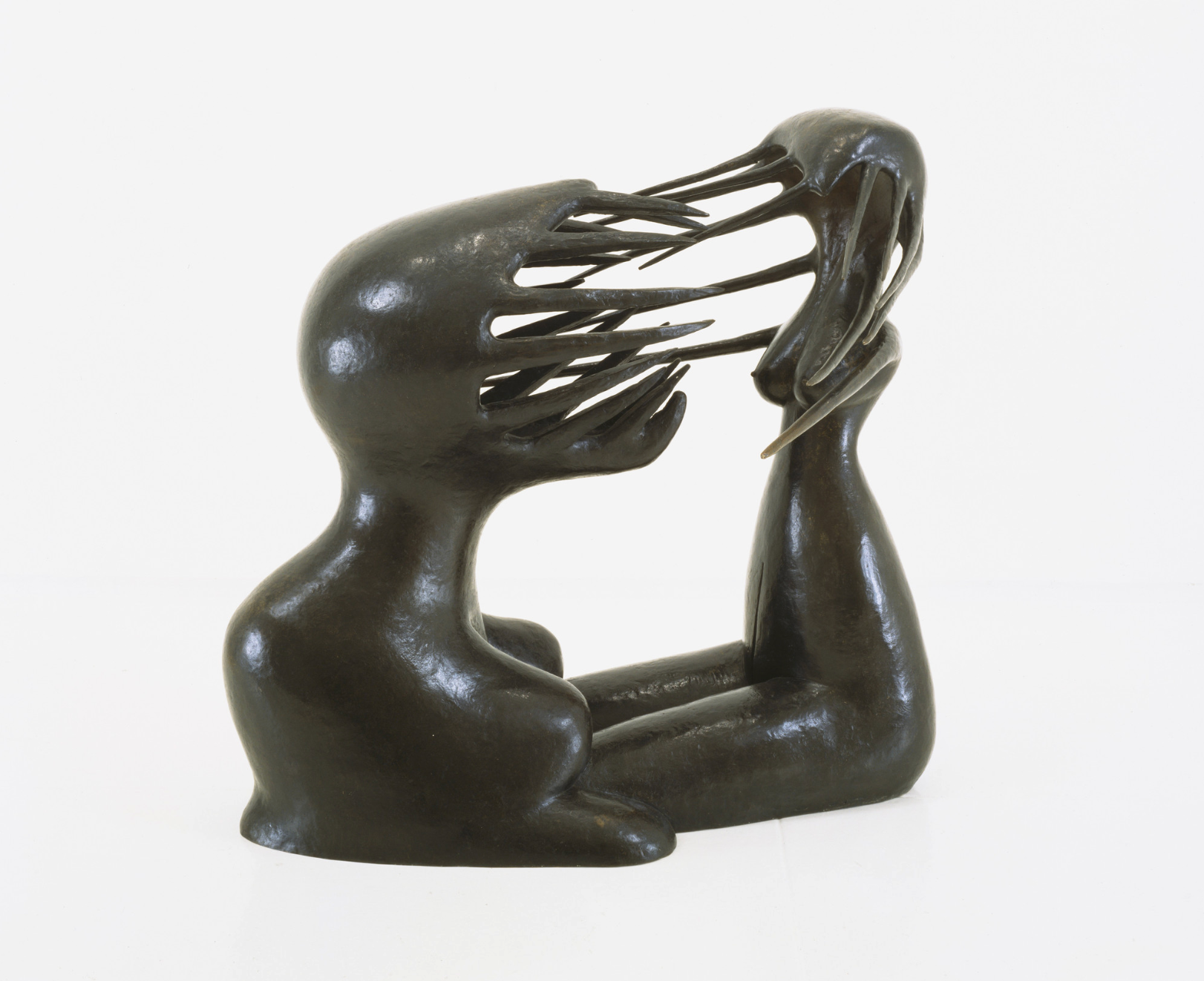
The gallery experience is designed as a gradual psychological passage. Dim lighting and focused spotlights create intimate encounters with individual works, while wall colors shift from earthy terracotta and ochre (The Body) to deep midnight blue (The Dream), culminating in black and silver (The Abyss). Subtle architectural interventions, such as a curved wall transition and a raised platform for Maria Martins’s The Impossible III (1946), guide visitors through the exhibition’s conceptual and spatial arc. Frames remain simple and unadorned, allowing each work to hold its own visual and emotional gravity.
By grounding the exhibition in Moro’s philosophy, Latin American Surrealism: The Body, The Dream, and The Abyss reframes the narrative of modernism. Rather than treating Latin American Surrealism as derivative, it positions the movement as a vital reimagining born from migration, cross-cultural exchange, and the pursuit of inner freedom.
The Body
The Dream
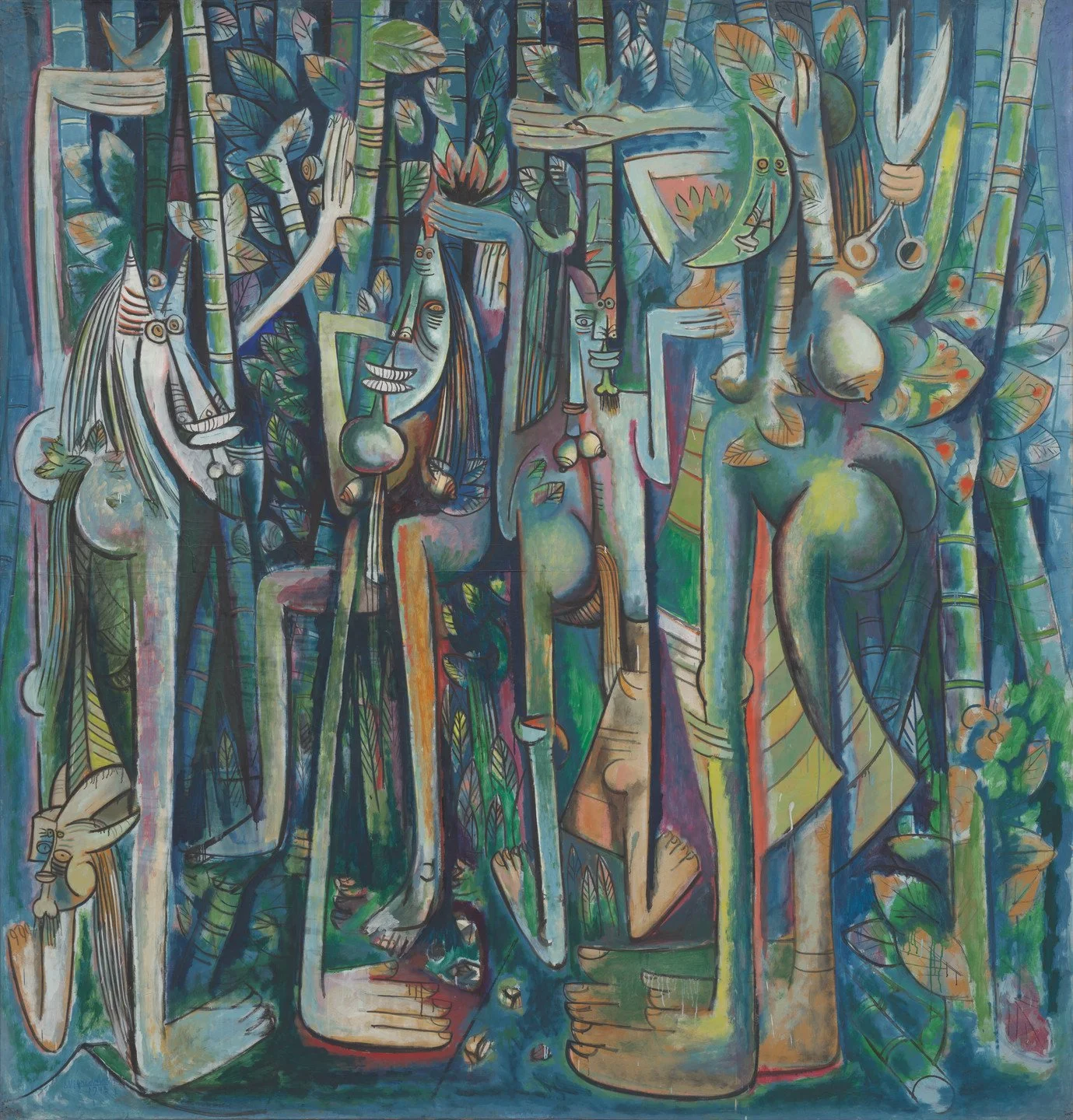
Wifredo Lam
The Jungle (La Jungla)
1943
Gouache on paper mounted on canvas
94 1/4 × 90 1/2"
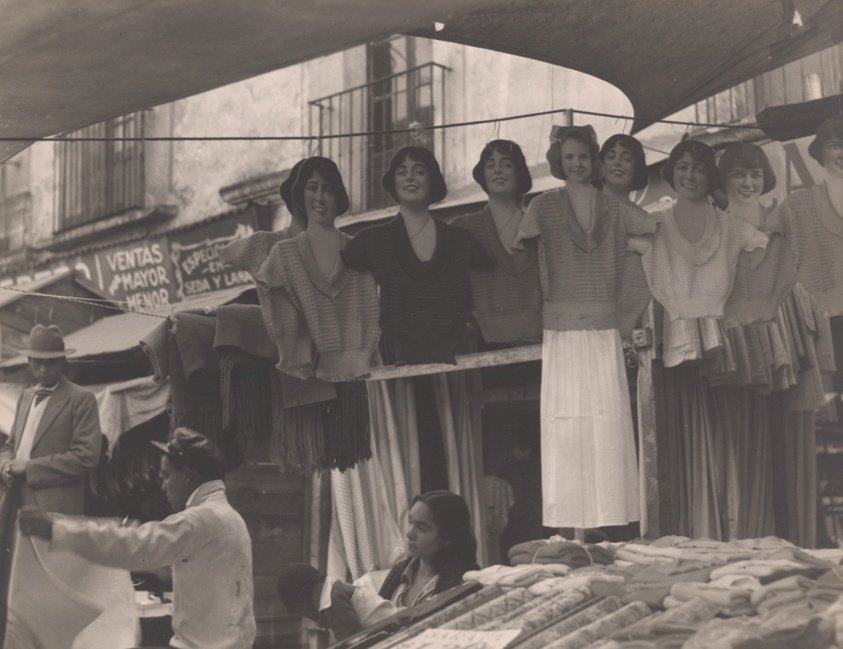
Manuel Álvarez Bravo
Maniquís riendo (Laughing Mannequins)
1930
Gelatin silver print
7 3/8 × 9 7/16"
The Abyss
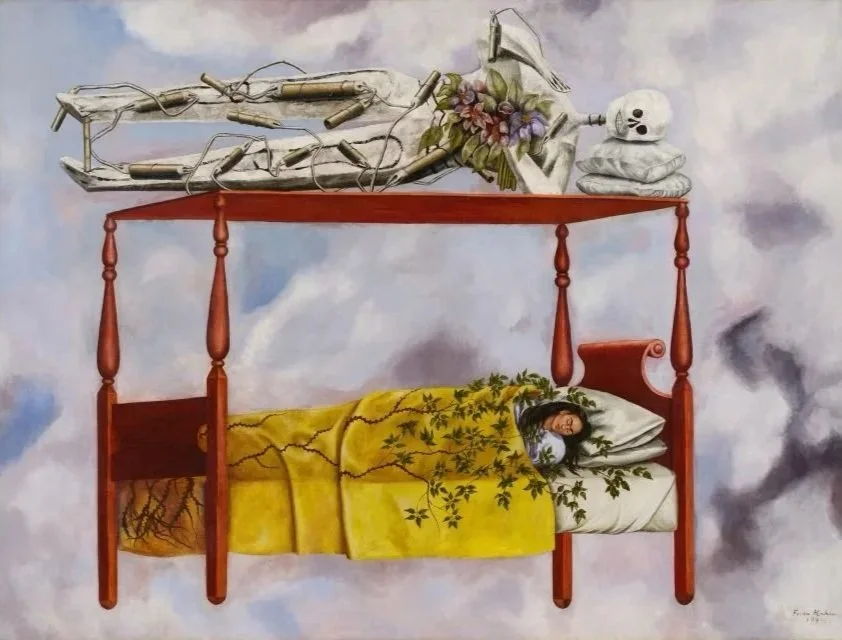
Frida Kahlo
The Dream (The Bed)
1940
Oil on canvas
29 1/8 × 38 3/4"
Roberto Matta
Listen to Living
1941
Oil on canvas
29 1/2 x 37 7/8"
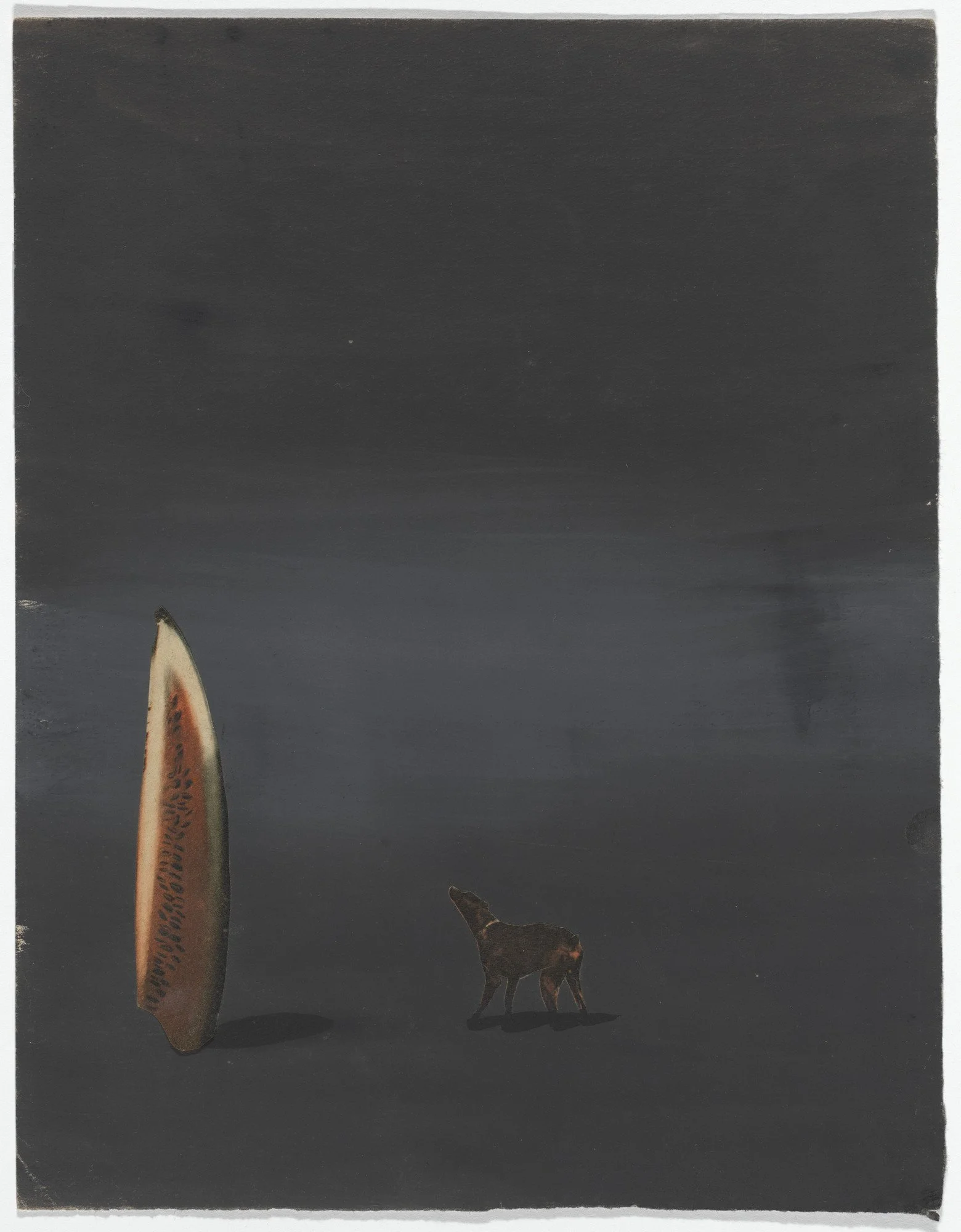
Juan Batlle Planas
Composition
1944
Cut-and-pasted printed paper and gouache on paper
12 3/4 x 9 7/8"
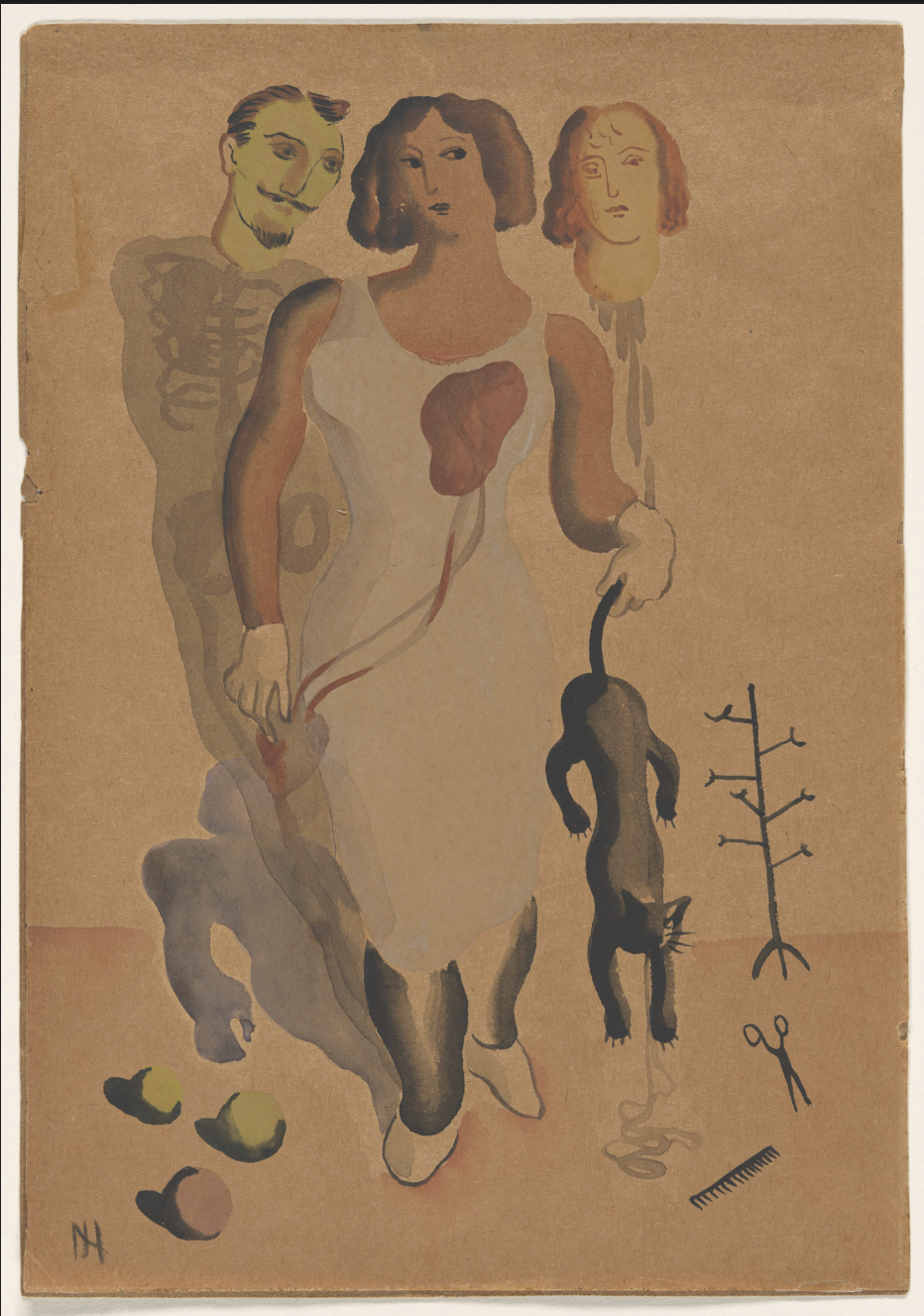
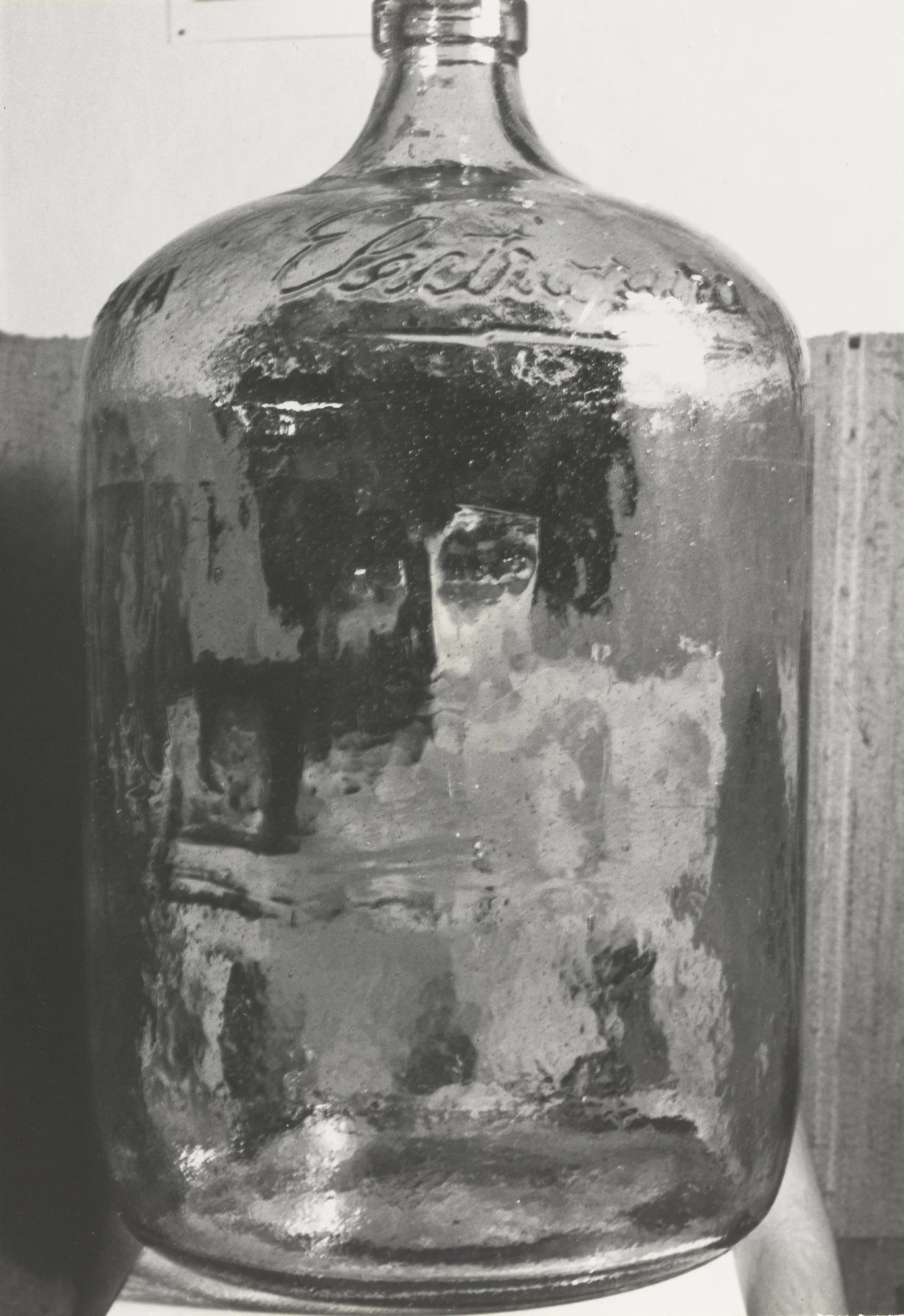
Kati Horna
Bottle
1962
Gelatin silver print
9 5/16 × 6 1/2"
Maria Martins
The Impossible, III
1946
31 1/2 x 32 1/2 x 21"
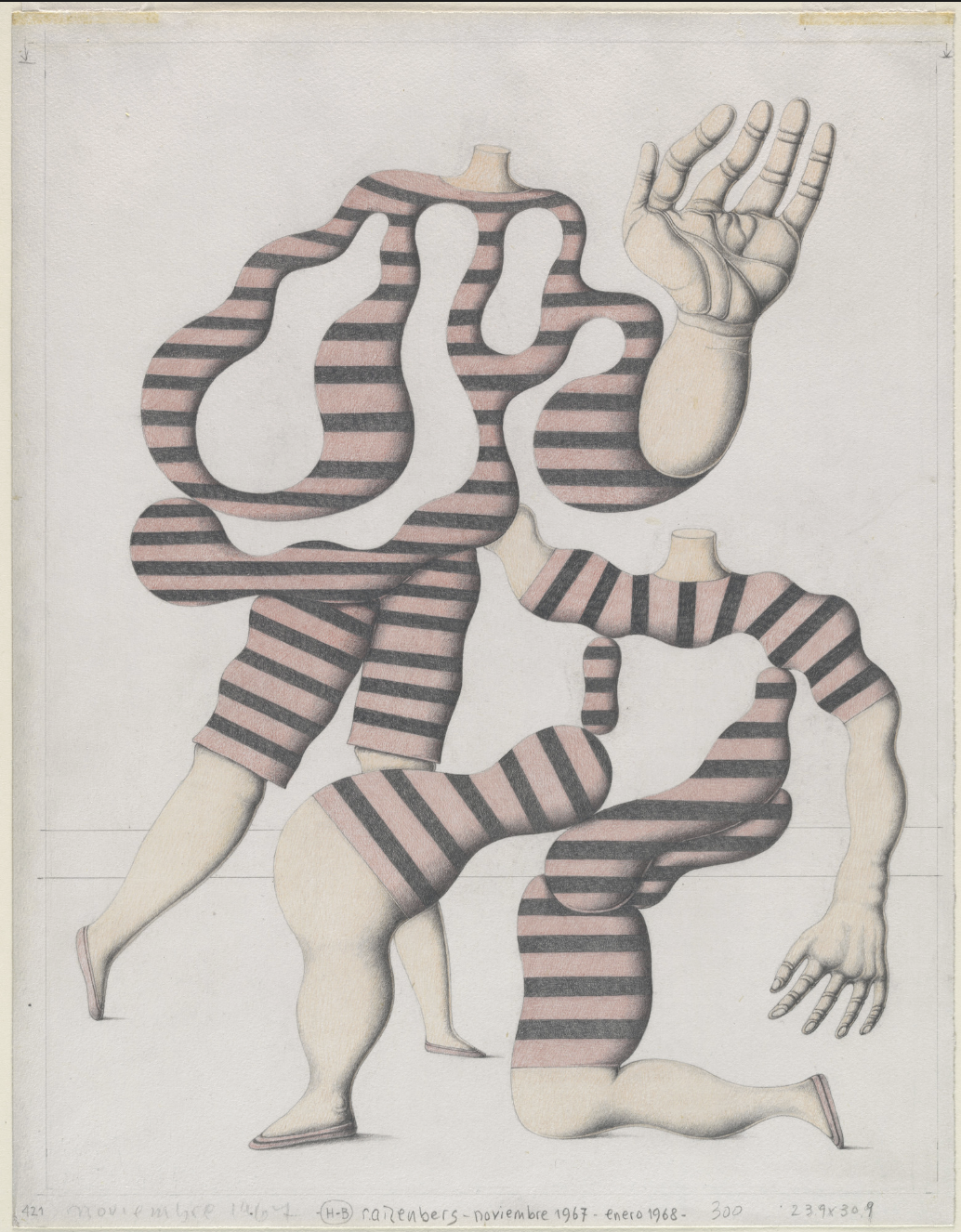
Roberto Aizenberg
Untitled
1967–68
Pencil and colored pencil on paper
12 7/8 x 10"
Ismael Nery
Os três ou quatro estados (The Three or Four States)
1927
Gouache on paper
9 1/16 × 6 5/16"
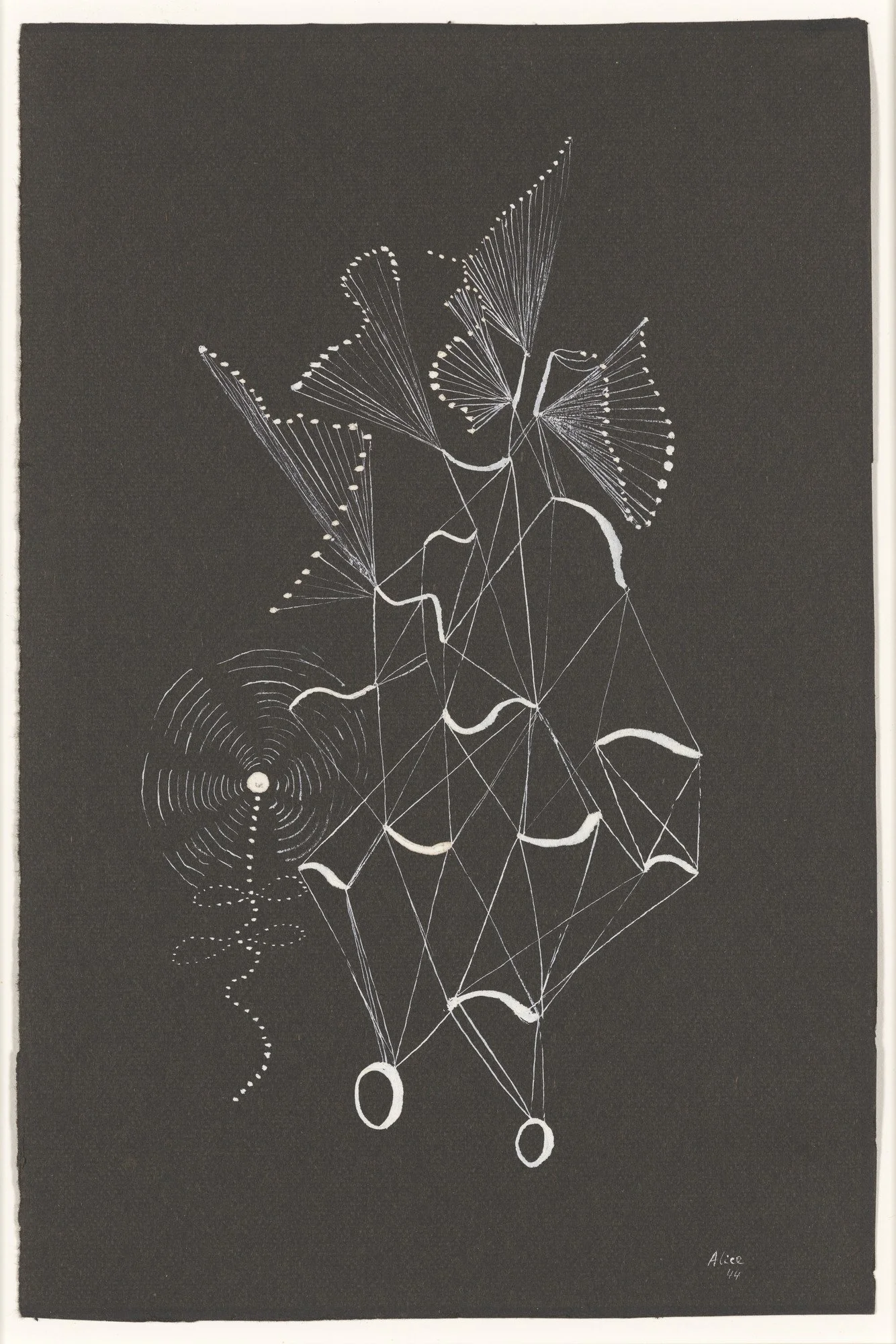
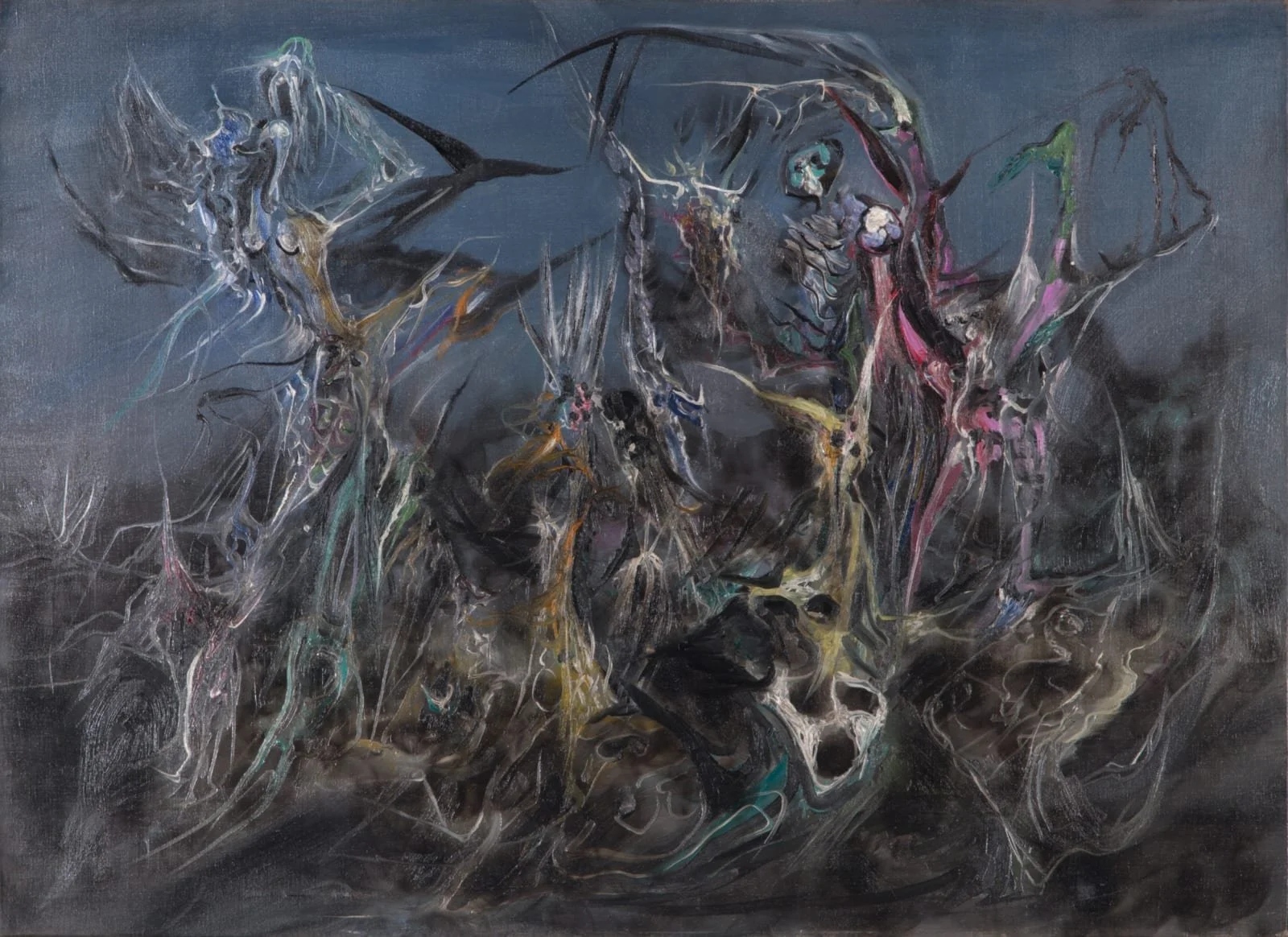
Alice Rahon
The Midnight Dance (La danse de minuit)
1944
Gouache on colored paper
9 × 6"
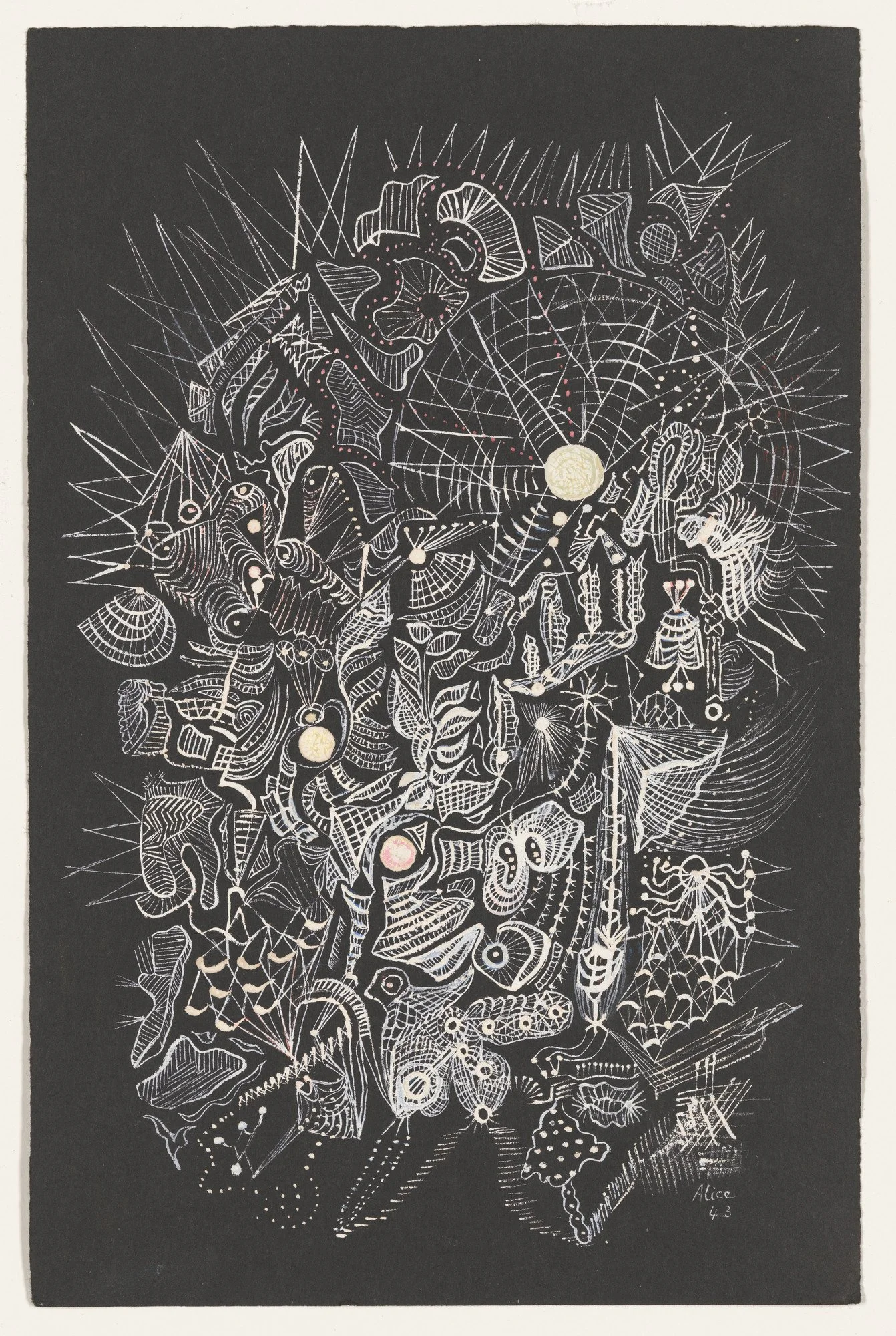
The Insect (El insecto)
1943
Gouache on colored paper
9 7/8 × 6 7/16"
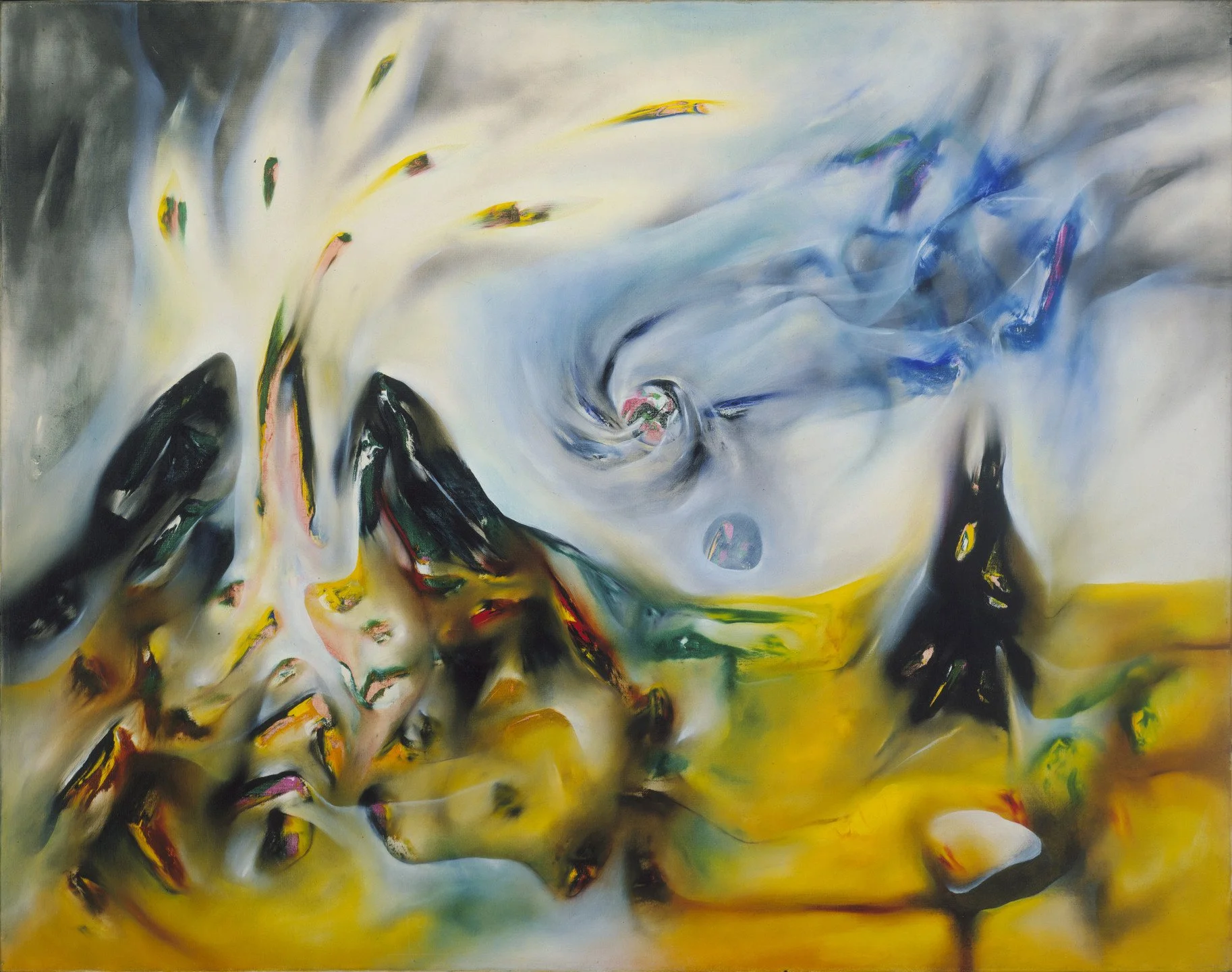
Wolfgang Paalen
Orages magnetiques
1938
Oil on canvas
29 x 39 3/8 in
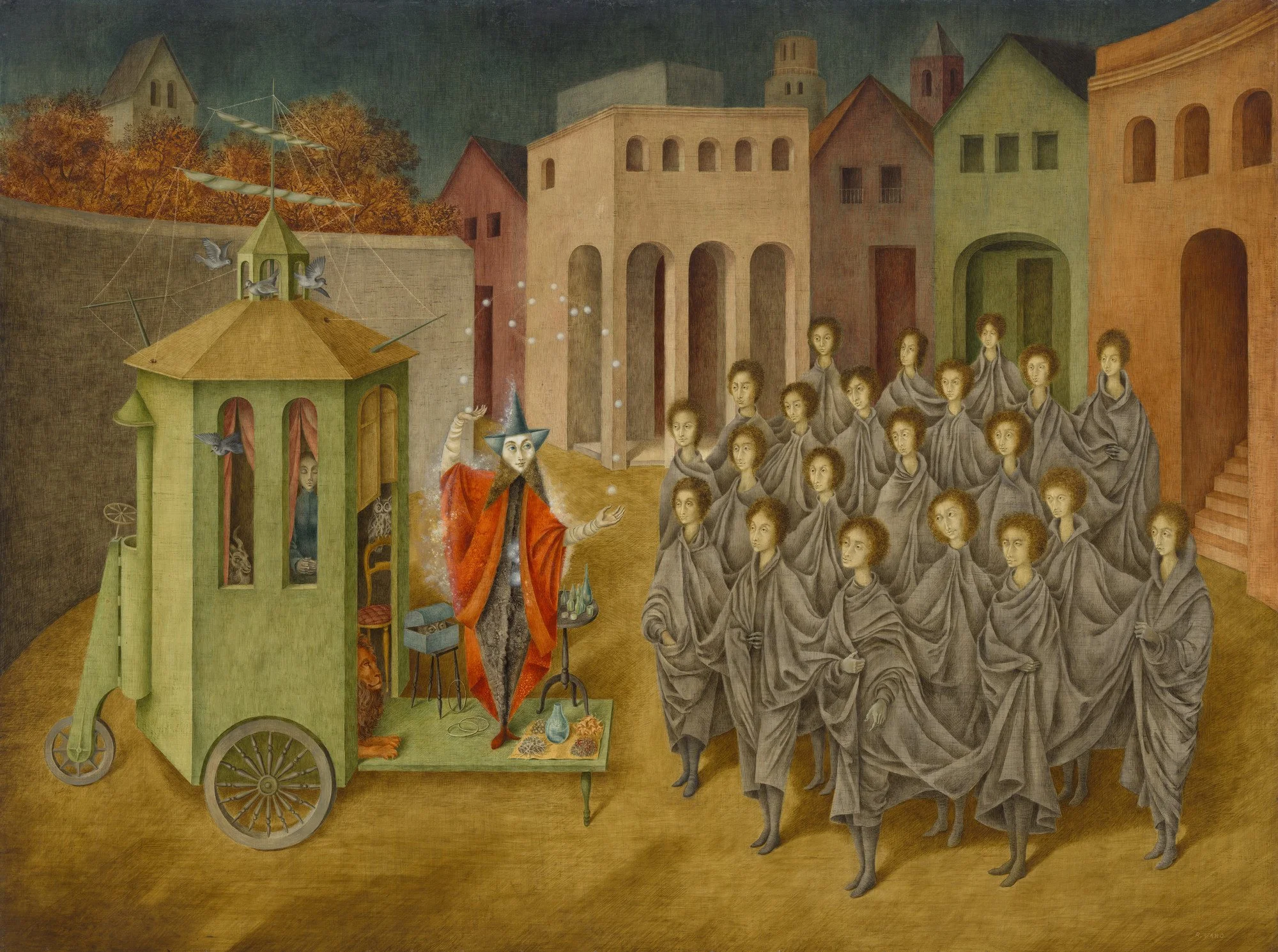
Remedios Varo
The Juggler (The Magician)
1956
Oil and inlaid mother of pearl on board
35 13/16 × 48 1/16"
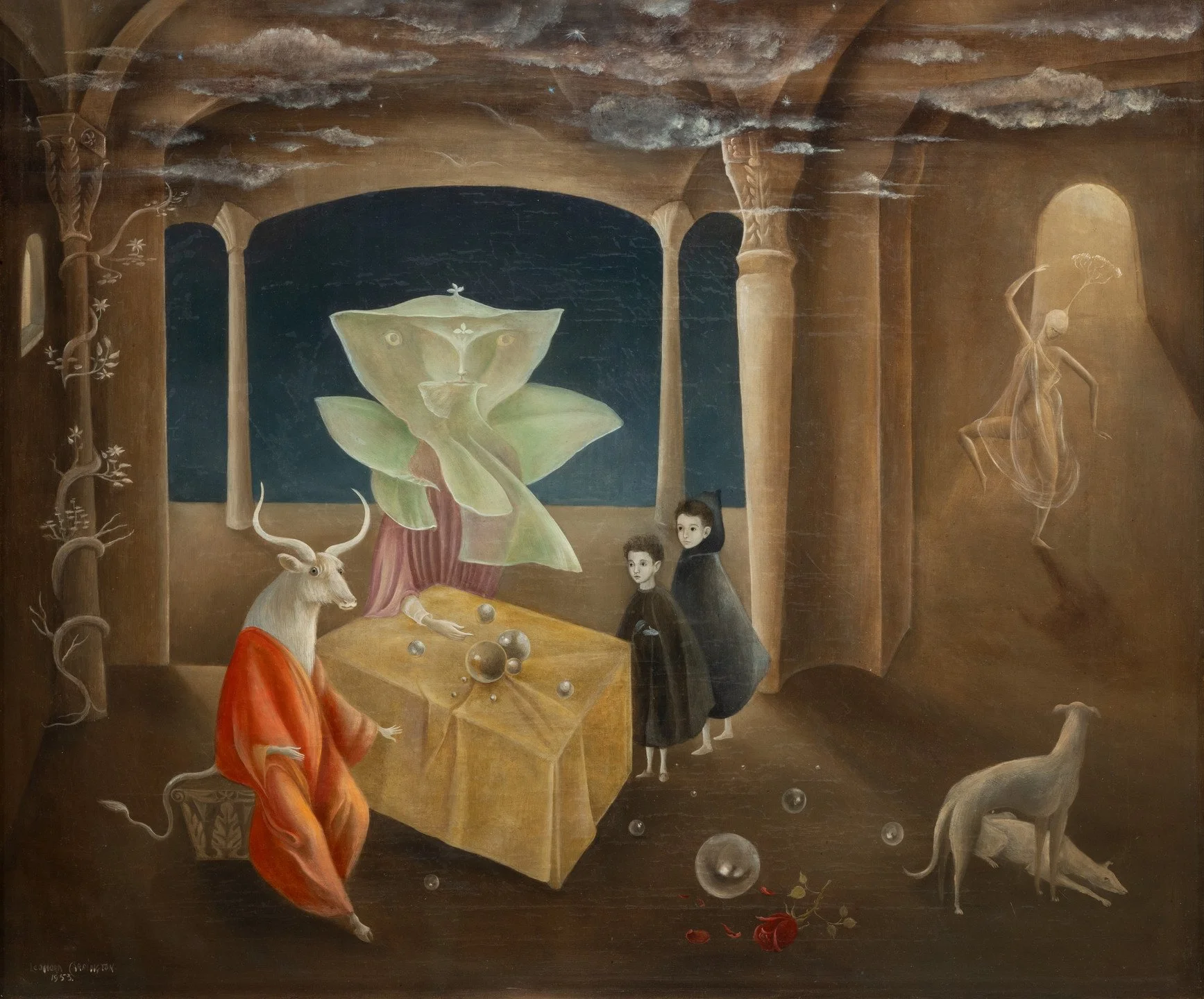
Leonora Carrington
And Then We Saw the Daughter of the Minotaur
1953
Oil on canvas
23 5/8 × 27 9/16"
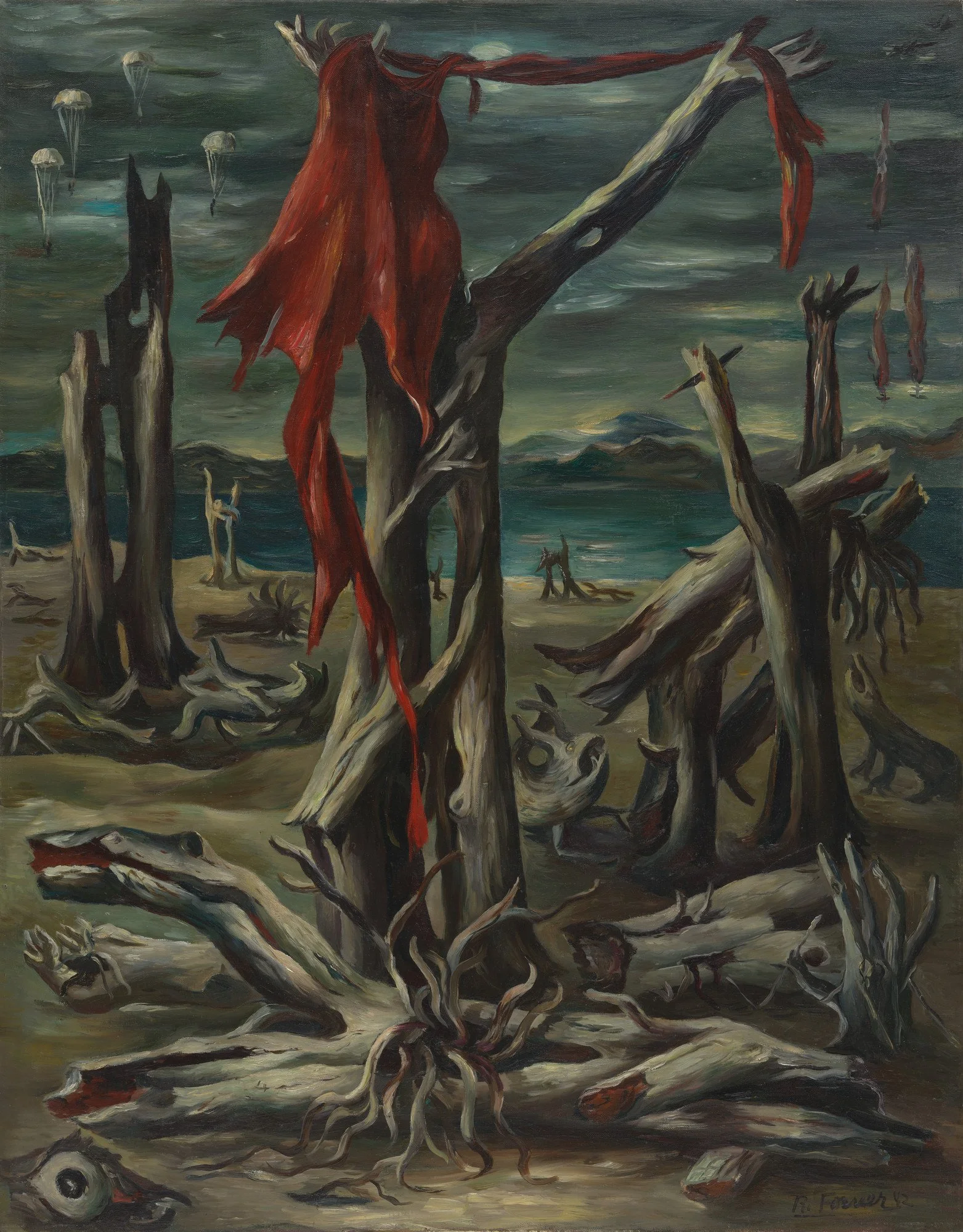
Raquel Forner
Desolation
1942
Oil on canvas
36 7/8 x 28 7/8"
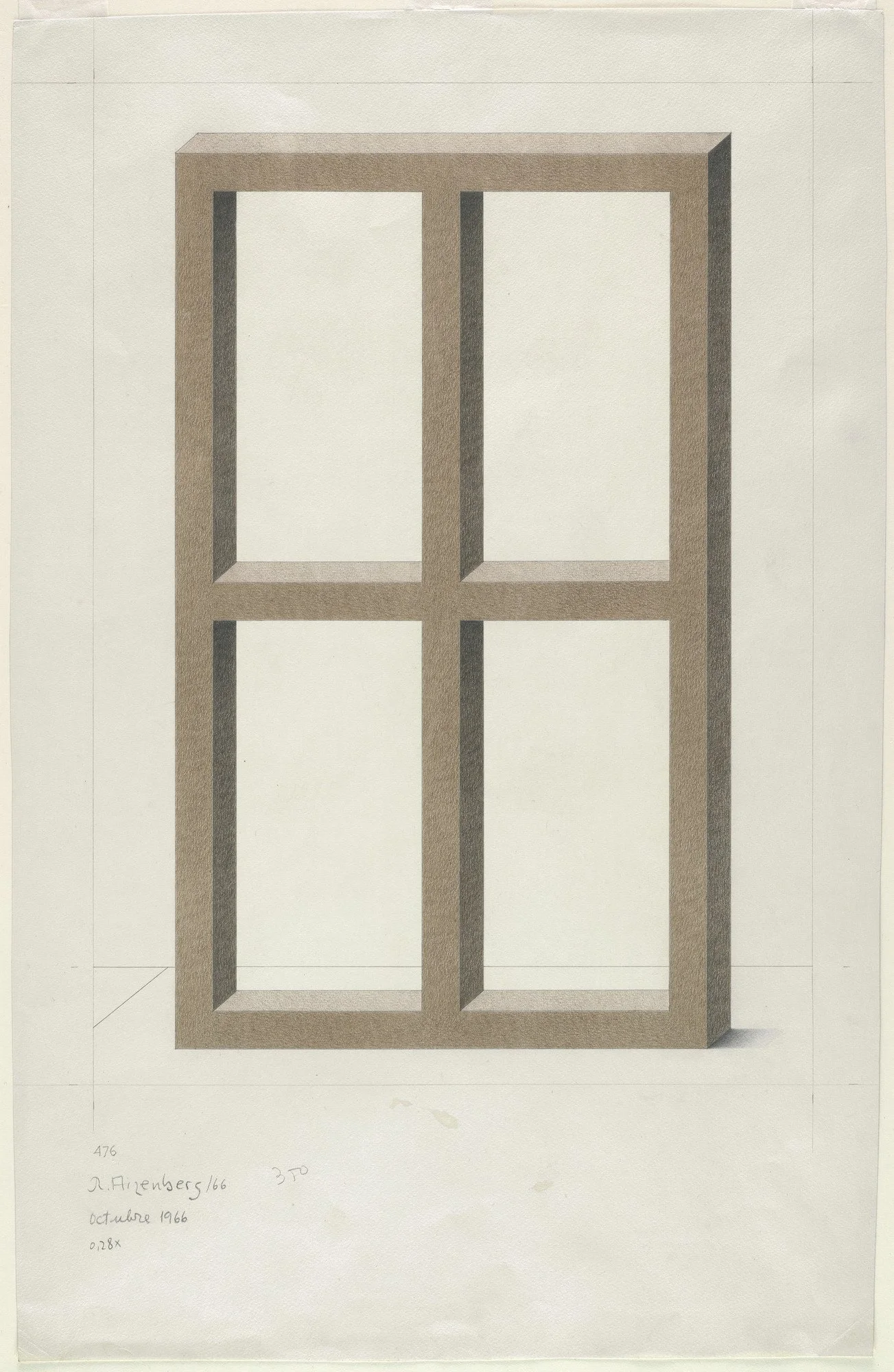
Roberto Aizenberg
Untitled
1966
Colored pencil and pencil on paper
20 5/8 x 13 1/4"